
What is Beneficial Reuse?
Spent abrasives may still have useful work to do. Start with testing, a suitable destination, and the approvals your project needs.
Beneficial reuse gives useful material another job.
Beneficial reuse means putting leftover material to work, such as replacing an ingredient in a manufactured product. For spent coal slag, the first questions are what is in the collected material and where it can be used.
What makes it beneficial
Three things to check before reuse.
The abrasive is only part of the load. Paint, rust, coatings, and other debris picked up during blasting affect what can happen next.
A useful job for the material
Know who will use it and what it will do. The material needs to serve a purpose at the receiving site.
Meets the job's requirements
Check the receiving site's specifications. Chemistry, particle size, and performance need to fit the intended use.
Protects people and the environment
Confirm the required tests, handling controls, and approvals before delivery. Requirements depend on the material, location, and use.
For more detail, see the U.S. EPA overview of beneficial use.
Where ARS fits
Start with the material. Plan for pickup.
Tell ARS what abrasive you used, what you blasted, and how much material needs to move. Share any test results and the pickup location so we can help work through the next steps.
Spent coal slag includes what came off the surface. It needs its own evaluation, even if the unused media has a data sheet. Garnet, glass, and other abrasives can have different requirements.
-
Collect
Keep spent media contained and record what was blasted.
-
Test
Use job records and representative samples to find out what is in the material.
-
Check the intended use
Find a destination and check the rules for that material and use.
-
Confirm acceptance
Get the receiving site's specifications, required approvals, and written acceptance before pickup.
Where material may be used
Find the right use for your spent media.
Some spent media can be used in construction products or landfill cover. Check the state rules and the receiving site's requirements for your material before planning delivery.
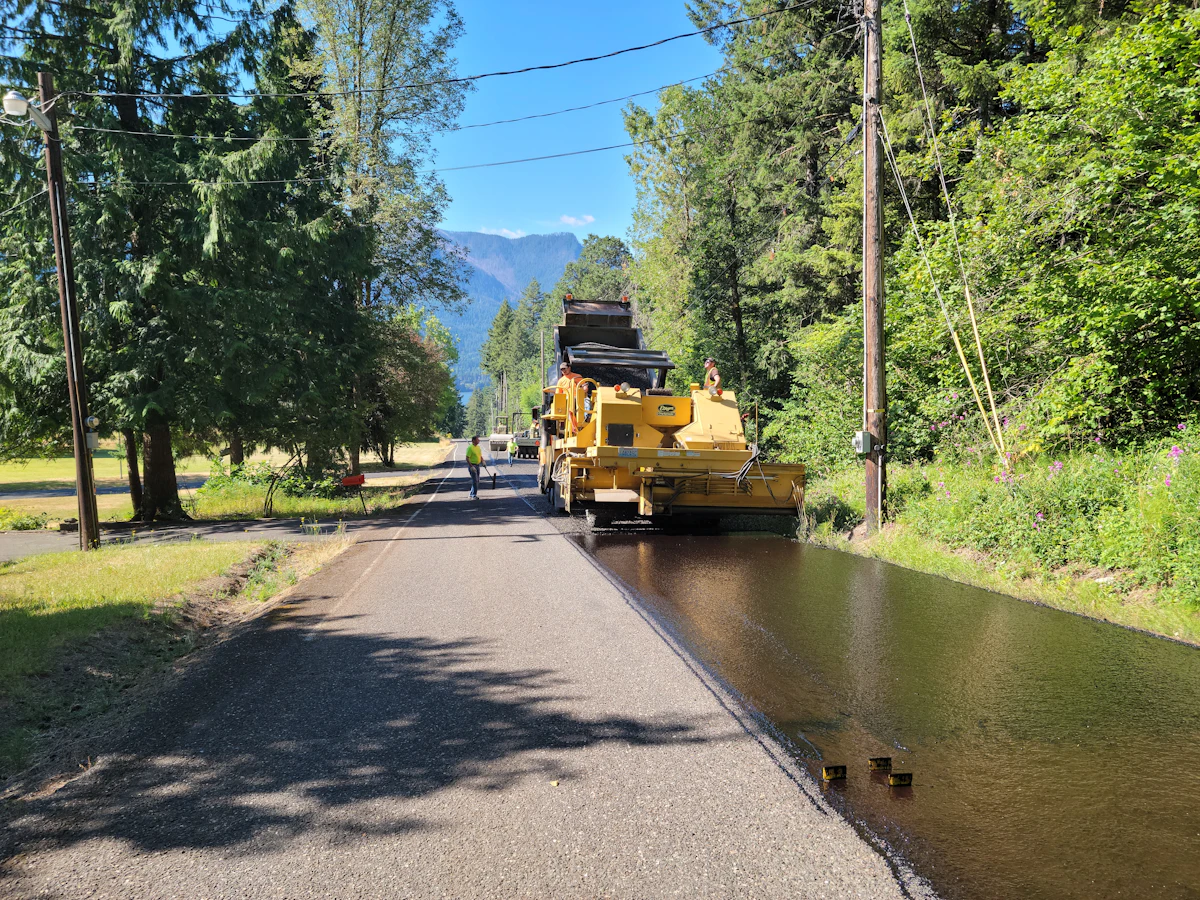
Construction Products
Ohio allows qualifying byproducts in products such as asphalt and concrete. Ask whether your spent media meets the rules and the manufacturer's specifications.
Ohio beneficial-use rules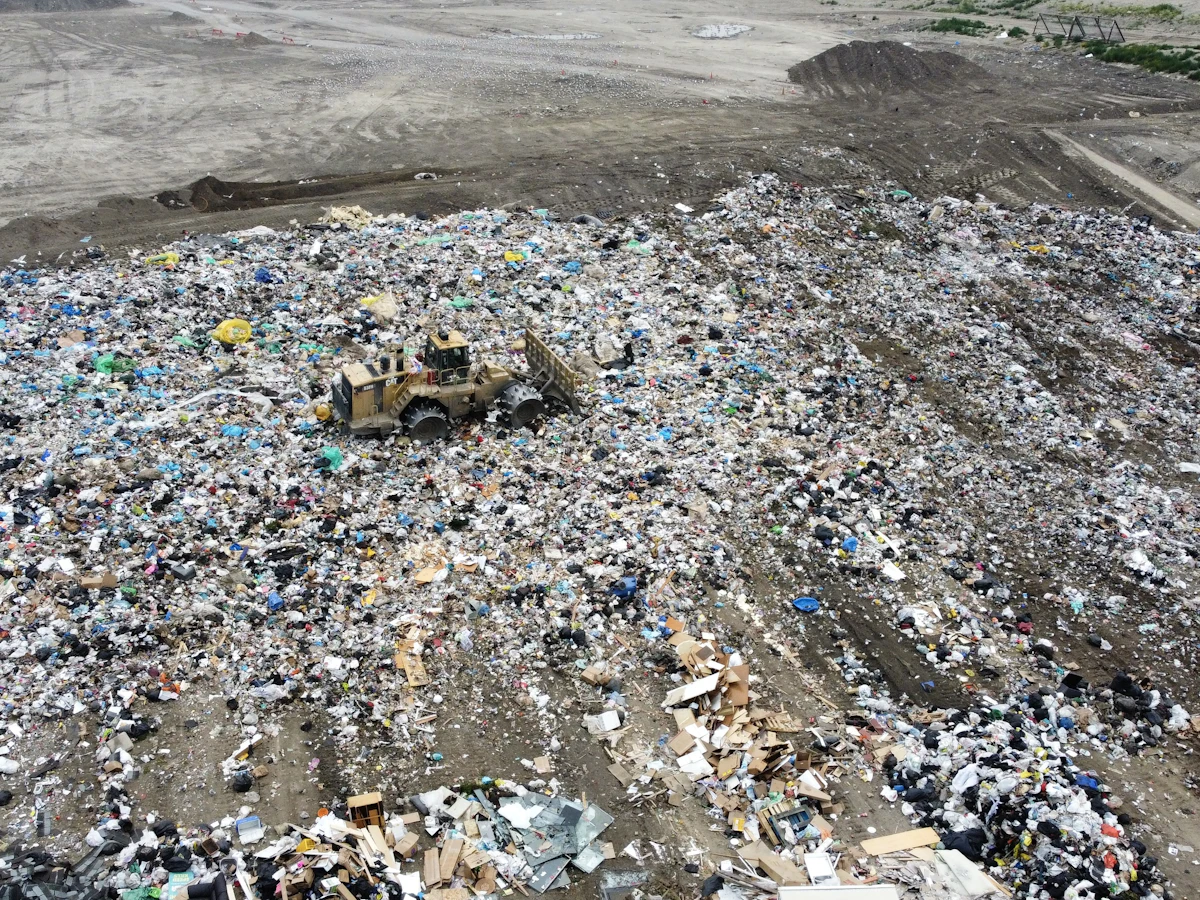
Landfill Cover
Iowa allows abrasive blasting residuals mixed with soil as daily cover at municipal landfills. The landfill must follow the permit notification rules and confirm that it can accept your load.
Iowa landfill cover rulesTCLP Testing
What is the TCLP Test?
TCLP checks how much of certain contaminants can leach from a sample. It helps determine whether waste is hazardous for toxicity. Passing the test does not approve reuse.
EPA Method 1311 · MPCA blasting-waste guidance
Spent media can contain metals and other contaminants from the abrasive and the surface you blasted. TCLP helps determine how that waste must be managed.
- The lab prepares a representative sample using EPA Method 1311.
- The sample is mixed with an extraction fluid under controlled conditions.
- The lab measures contaminants in the liquid, such as lead, arsenic, or cadmium.
A result below the federal toxicity limits addresses that characteristic for the substances tested. Other hazardous-waste criteria and state requirements still apply.
Results above those limits may mean the material must be managed as hazardous waste. Review the report with the lab and the responsible agency.
Use the collected spent media for the evaluation, including coatings and debris. The original abrasive's data sheet does not cover everything in the load.
Check any additional tests, product specifications, and approvals with the agency and receiving site. Minnesota requires prior approval even to reclaim nonhazardous blasting debris as abrasive.
State-by-state guidance
What does your state require?
Find who to contact, what to test, and what to check before arranging pickup of spent coal slag or other abrasive media.
Use the map or open a guide directly below.
Do not see your state? Talk to ARS about your material and pickup needs.
Have spent abrasive that needs to move?
Send us the material type, volume, pickup location, and any test results. We'll help you work out the next step.